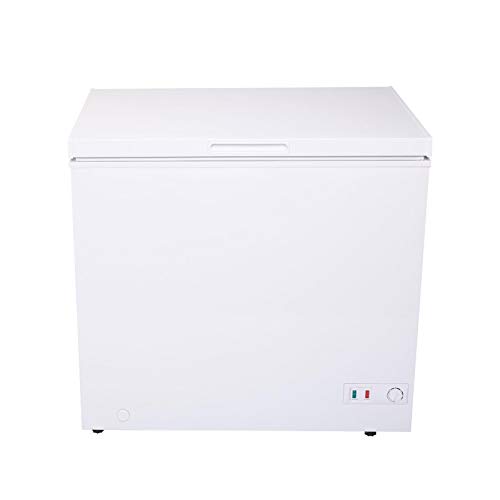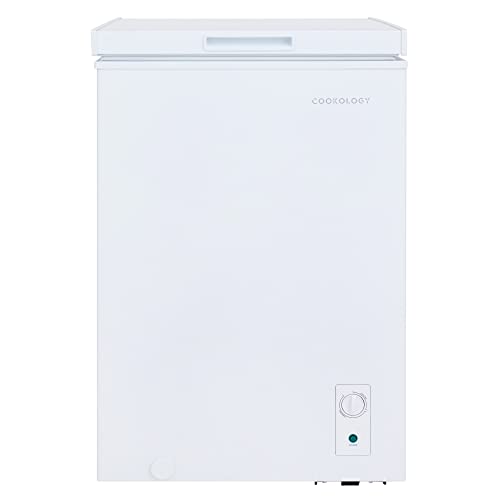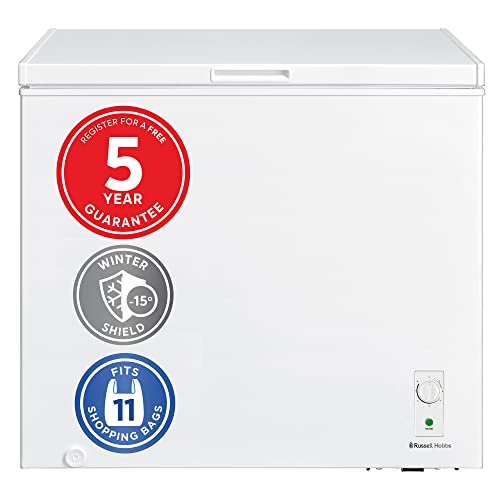





Der moderne Lebensstil erfordert effiziente Lösungen in der Küche, insbesondere wenn es darum geht, Speisen frisch zu halten und Vorräte zu lagern. Der slimline 48 cm freistehende Gefrierschrank in Weiß ist eine ideale Wahl für Haushalte, die Wert auf Platzersparnis und Funktionalität legen. In diesem Blogbeitrag werden die Vorzüge, Funktionen, Spezifikationen und häufig gestellte Fragen zu diesem beeindruckenden Küchengerät behandelt.
Warum einen Slimline Gefrierschrank?
Ein Slimline Gefrierschrank bietet einige Vorteile im Vergleich zu herkömmlichen Modellen, insbesondere in urbanen Umgebungen oder kleineren Küchen. Hier sind einige der Hauptgründe, warum immer mehr Menschen diesen Typ von Gefrierschrank wählen:
- Platzsparenden Design: Mit einer Breite von nur 48 cm passt dieser Gefrierschrank auch in die kleinsten Küchen.
- Energieeffizienz: Viele Modelle sind mit energiesparenden Technologien ausgestattet und tragen somit zur Senkung der Stromrechnung bei.
- Kompakte Lagerung: Trotz seiner geringen Größe bietet dieser Gefrierschrank ausreichend Platz für eine Vielzahl von Lebensmitteln.
- Vielseitigkeit: Ideal für verschiedene Anwendungen, von der Lagerung frischer Lebensmittel bis hin zur Einlagerung von gefrorenen Fertiggerichten.
| Vorteil | Beschreibung |
|---|---|
| Platzsparend | Optimal für kleine Küchen, Apartments oder als zusätzlicher Gefrierplatz. |
| Energieeffizient | Trägt zur Reduzierung der Energiekosten bei. |
| Große Kapazität | Bietet trotz der reduzierten Größe viel Stauraum. |
| Vielseitig einsetzbar | Perfekt für die Lagerung von Lebensmitteln oder Essensvorräten. |
Spezifikationen des Gefrierschranks
Bevor man eine Kaufentscheidung trifft, ist es wichtig, die technischen Spezifikationen eines Gefrierschranks zu kennen. Hier sind die wichtigsten Merkmale des Slimline 48 cm freistehenden Gefrierschranks in Weiß:
| Technische Spezifikationen | Details |
|---|---|
| Modellgröße | 48 cm Breite |
| Fassungsvermögen | Bis zu 100 Liter |
| Energieeffizienzklasse | A+ |
| Geräuschpegel | 42 dB |
| Temperaturbereich | -18 °C und kälter |
| Frostschutzsystem | No Frost (frostfrei) |
| Regulierbare Temperatur | Ja |
Die Kombination dieser Eigenschaften macht den Slimline Gefrierschrank zu einem attraktiven und praktischen Gerät für jedes Zuhause.
Vorteile des Slimline Gefrierschranks in Weiß
Der Slimline Gefrierschrank ist nicht nur funktional, sondern bietet auch ästhetische Vorteile. Hier sind einige der Hauptmerkmale:
- Schlichtes Design: Das weiße Finish fügt sich nahtlos in jede Kücheneinrichtung ein.
- Einfache Handhabung: Die klaren Regale und Schubladen ermöglichen eine einfache Organisation und einen schnellen Zugriff auf die gelagerten Lebensmittel.
- Frostfreie Technologie: Kein mühsames Abtauen mehr, was Zeit und Aufwand spart.
- Lange Haltbarkeit: Die hochwertigen Materialien und die robuste Konstruktion gewährleisten eine lange Lebensdauer.
Häufig gestellte Fragen (FAQ)
1. Wie viel Platz benötigt der Slimline Gefrierschrank?Der Gefrierschrank ist mit einer Breite von 48 cm kompakt genug, um in engen Küchen Platz zu finden. Es wird empfohlen, mindestens 5 cm Raum um das Gerät für eine optimale Belüftung zu lassen.
2. Wie wird der Gefrierschrank gereinigt?Die Innenflächen können mit einem milden Reinigungsmittel und einem weichen Tuch gereinigt werden. Es ist ratsam, den Gefrierschrank vor der Reinigung abzutauen, wenn er sichtbaren Frostansatz hat.
3. Ist der Gefrierschrank energieeffizient?Ja, dieser Gefrierschrank hat eine Energieeffizienzklasse von A+, was ihn zu einer umweltfreundlichen Wahl macht und hilft, die Stromkosten niedrig zu halten.
4. Welche Lebensmittel können im Gefrierschrank gelagert werden?Sie können eine breite Palette von Lebensmitteln lagern, darunter Fleisch, Gemüse, Obst, Fertiggerichte und Backwaren. Wichtig ist, dass die Lebensmittel gut verpackt sind, um Gefrierbrand zu vermeiden.
5. Gibt es Garantie auf den Gefrierschrank?Die meisten Hersteller bieten eine Standardgarantie von 2 Jahren auf neue Gefrierschränke. Es lohnt sich, die Garantiebedingungen im Kaufvertrag zu prüfen.
Fazit
Der slimline 48 cm freistehende Gefrierschrank in Weiß ist eine exzellente Wahl für alle, die ein praktisches und elegantes Küchengerät suchen, das zugleich Platz spart. Mit seinen benutzerfreundlichen Funktionen, der energieeffizienten Leistung und dem modernen Design ist er der optimale Partner für jede Küche.
Anhand der beschriebenen Spezifikationen und Vorteile ist klar, dass dieser Gefrierschrank nicht nur eine Ergänzung Ihrer Küche, sondern auch eine langfristige Investition in die Optimierung Ihrer Essenslagerung ist. Ob für Singles, Paare oder kleine Familien, dieser Gefrierschrank wird definitiv seinen Platz in der modernen Küche finden.